

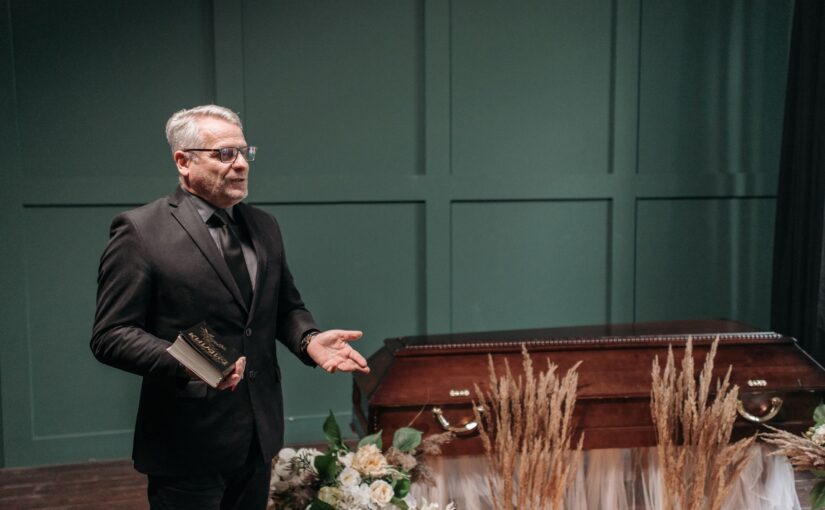
The funeral of Ratko Mladić saw thousands turn out to pay their respects, reflecting the complex legacy of this controversial figure in Serbian history.
Background on Ratko Mladić
Ratko Mladić, a former commander of the Bosnian Serb Army, was a central figure during the Bosnian War from 1992 to 1995. He gained notoriety for his role in the Srebrenica massacre, where thousands of Bosniak men and boys were killed, an act that has been described as one of the most horrific war crimes in Europe since World War II. Mladić was often referred to as the “Butcher of Bosnia” due to his ruthless military tactics and the ethnic cleansing policies implemented under his command.
After a lengthy period on the run, he was arrested in 2011 and later tried by the International Criminal Tribunal for the former Yugoslavia (ICTY). In 2017, he was convicted of genocide, war crimes, and crimes against humanity, receiving a life sentence. His trial and the subsequent verdict brought some measure of justice to the victims of the Bosnian War, but also sparked significant controversy and polarization, particularly in Serbia.
The funeral of Ratko Mladić has drawn attention not only for its contentious nature but also for the broader implications it holds for the collective memory of the war in the Balkans. Supporters view him as a national hero, while opponents remember the atrocities committed during his leadership. This dichotomy reflects the ongoing struggle within the region to address its complex and painful history.
Public Reaction to the Funeral
The funeral of Ratko Mladić elicited a strong and varied public reaction, reflecting the deep divisions in Serbian society regarding his legacy. As thousands gathered to pay their respects, the atmosphere was charged with emotion, both in support of and against the former general.
Supporters hailed Mladić as a national hero, viewing him as a defender of the Serbian people during the turbulent years of the Yugoslav Wars. Many carried flags and chanted slogans that celebrated his military leadership, asserting that he fought valiantly for his country. The turnout was significant, with estimates suggesting that more than 10,000 people attended the funeral in Belgrade, demonstrating the strong sentiments held by his admirers.
Conversely, there was a palpable presence of dissent among various groups who gathered to oppose the glorification of a man widely regarded as a war criminal. Protestors held banners condemning Mladić, emphasizing the atrocities committed under his command during the Bosnian War. They called for accountability and justice for the victims of his actions, reflecting a critical perspective on the narrative propagated by his supporters.
As the funeral of Ratko Mladić unfolded, it became a somber reflection on history, igniting discussions on nationalism, memory, and the ongoing impact of past conflicts on present-day society.
Historical Significance of the Event
The funeral of Ratko Mladić marks a significant moment in the ongoing discourse surrounding the Balkan conflicts of the 1990s. As the former commander of the Bosnian Serb Army, Mladić was a controversial figure, often referred to as the “Butcher of Bosnia” due to his role in the Srebrenica massacre and other atrocities during the Bosnian War. His passing has reignited discussions about accountability, nationalism, and the legacy of the war.
Many observers regard the funeral of Ratko Mladić as a reflection of deep-seated divisions within Serbian society. The event drew thousands of supporters, demonstrating a complex relationship with national identity and memory. For some, Mladić is seen as a hero who defended Serb interests, while others view him as a war criminal whose actions should never be forgotten.
This stark dichotomy highlights the challenges faced by the region in reconciling its past. The legacy of the Bosnian War continues to shape political and social dynamics, with varying interpretations of history complicating efforts toward unity and healing. The funeral serves as a powerful reminder of the unresolved issues that linger in the wake of conflict.
The international community watches closely, as the reactions to the funeral of Ratko Mladić will likely influence future relations and the pursuit of justice for those affected by the war.
Controversies Surrounding Mladić
The funeral of Ratko Mladić has sparked significant controversy, reflecting the deep divisions within Serbian society and the broader Balkans region. Known as the ‘Butcher of Bosnia,’ Mladić was convicted of genocide and war crimes by the International Criminal Tribunal for the former Yugoslavia, making his burial a contentious issue.
Many Serbs view him as a national hero who defended the Serb population during the Bosnian War, while others see him as a symbol of the atrocities committed against Bosniaks and Croats. This polarized perception has fueled debates over his legacy and the implications of honoring him publicly. Critics argue that such commemorations glorify a dark chapter in history and undermine efforts toward reconciliation and justice.
Protests erupted in various parts of the country, with some groups calling for the cancellation of the funeral, while others rallied in support of Mladić. The Serbian government has faced pressure to address these conflicting sentiments, highlighting the ongoing struggle to confront the past.
International observers have also expressed concern, warning that the funeral of Ratko Mladić could exacerbate ethnic tensions in the region. As thousands gathered to pay their respects, the event served as a stark reminder of the unresolved issues stemming from the Yugoslav Wars and the challenges of fostering unity in a fractured society.
International Response to the Funeral
The funeral of Ratko Mladić has elicited a range of international responses, reflecting the complex legacy of the former Bosnian Serb military leader. As news of his passing spread, various world leaders and organizations voiced their opinions, highlighting the ongoing divisions surrounding his controversial figure.
- European Union: Officials from the EU condemned the glorification of Mladić, emphasizing that he was a convicted war criminal responsible for atrocities during the Bosnian War. The EU reiterated its commitment to peace and reconciliation in the Balkans, urging nations to reflect on the lessons of the past.
- United Nations: The UN expressed concern over the potential for unrest, as many viewed the funeral as a rallying point for nationalistic sentiments. A spokesperson called for an environment of respect and remembrance that acknowledges the suffering of victims.
- Human Rights Organizations: Groups such as Amnesty International and Human Rights Watch released statements criticizing the funeral proceedings, arguing that they could undermine efforts toward justice for the victims of war crimes.
- Regional Reactions: Neighboring countries reacted with caution, with some officials noting that the funeral of Ratko Mladić could reignite tensions in a region still healing from its tumultuous past.
Ultimately, the international community remains divided, as the memory of Mladić continues to evoke strong emotions and differing perspectives on accountability and reconciliation.
Serbia’s Divided Opinion
As the funeral of Ratko Mladić unfolded, it became evident that Serbia remains deeply divided over his legacy. Many attendees expressed admiration for the former Bosnian Serb military leader, viewing him as a defender of the Serbian people during the Balkan conflicts of the 1990s. They believe his actions were justified in the face of what they perceive as aggression against Serbs. Among the mourners, flags were waved, and chants of support echoed, reflecting a sense of nationalism that resonates with a significant portion of the population.
Conversely, a substantial segment of Serbian society condemns Mladić’s role in the atrocities committed during the war, labeling him the ‘Butcher of Bosnia.’ For these individuals, the funeral symbolizes a painful reminder of a turbulent past marked by ethnic violence and suffering. Activists and political leaders have voiced their outrage, calling the event a glorification of a war criminal rather than a solemn farewell.
In this environment of conflicting sentiments, public discussions have intensified. Many families of the victims of the Srebrenica massacre and other war crimes continue to seek justice and recognition of their loss. The divergent opinions surrounding the funeral of Ratko Mladić highlight the ongoing struggle within Serbia to reconcile its history and the various narratives that define it.
The Legacy of the Bosnian War
The funeral of Ratko Mladić serves as a poignant reminder of the complex legacy left by the Bosnian War, a conflict that continues to shape the political and social landscape of the region. As a key military leader during the war, Mladić was widely criticized for his role in the atrocities committed against Bosniak civilians, earning him the moniker “Butcher of Bosnia.” His actions, particularly the Srebrenica massacre, have left deep scars on the collective memory of those affected by the war.
Many see Mladić as a controversial figure, representing the struggle for Serbian nationalism, while others view him as a war criminal whose actions warrant condemnation. This duality is reflected in the reactions to his funeral, where crowds gathered to honor him, while simultaneously, protests against his legacy took place in different parts of the country.
The legacy of the Bosnian War is marked by themes of ethnic tension, trauma, and the ongoing quest for justice. It raises critical questions about accountability and reconciliation in a society still grappling with the implications of its past. As the funeral of Ratko Mladić unfolds, it becomes evident that the shadows of history loom large, prompting reflection on how communities can move forward in the wake of such profound division and suffering.
Ultimately, the event encapsulates the struggle to navigate a complex historical narrative that continues to influence contemporary relationships within the Balkans.
Future Implications for Serbia
The funeral of Ratko Mladić has sparked a renewed debate about the implications for Serbia’s future, highlighting the ongoing tensions within the nation and its relationship with the international community. As thousands gathered to pay their respects, the event served as a stark reminder of the unresolved issues stemming from the Bosnian War and the way history is remembered in the region.
Many observers believe that the funeral of Ratko Mladić symbolizes a larger struggle over national identity and collective memory in Serbia. It raises critical questions about how the country reconciles its past while striving for a more stable and inclusive future. The glorification of a controversial figure like Mladić could hinder Serbia’s efforts to integrate more closely with Europe and strengthen democratic values.
Furthermore, the event has the potential to exacerbate divisions within Serbian society. Some citizens view Mladić as a national hero, while others see him as a symbol of the atrocities committed during the war. This dichotomy may complicate the political landscape, making it challenging for leaders to unite the populace under a shared vision for the future.
As discussions continue regarding the implications of this funeral, it is crucial for Serbia to engage in a meaningful dialogue about its past. Acknowledging the complexities of history may pave the way for healing and understanding, ultimately shaping a more cohesive national identity.
The funeral of Ratko Mladić serves as a poignant reminder of the complex and often painful history of the Balkan region. As mourners gathered, the funeral of Ratko Mladić sparked discussions about the legacy of war and the pursuit of justice.
Photo by Pavel Danilyuk on Pexels